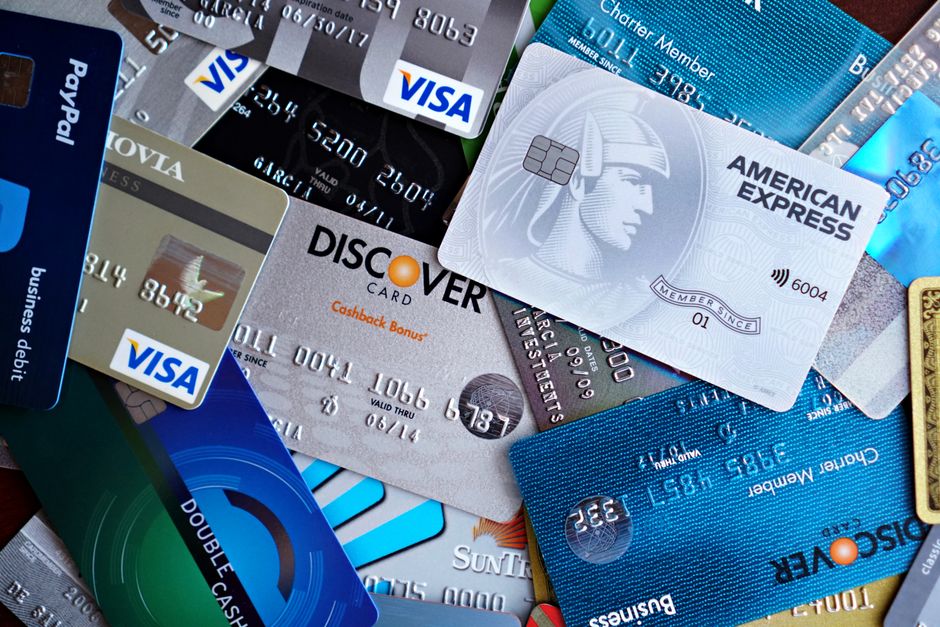
I got my first credit card as a college freshman with basically no credit history and no idea what I was doing. Looking back, I wish I had been more deliberate about which card I chose, because the card you open first matters more than most people realize. It stays on your credit report, shapes your oldest account age, and either builds good habits or quietly works against you.
The Chase Freedom Student card comes up constantly when people ask where to start. It’s a legitimate option, but it’s not the right call for everyone. Here’s an honest breakdown.
| Feature | Chase Freedom Student | Discover it Student | Capital One Quicksilver Student |
|---|---|---|---|
| Annual Fee | $0 | $0 | $0 |
| Rewards | 1% cash back on all purchases | 5% rotating categories, 1% everything else | 1.5% cash back on all purchases |
| Sign-Up Bonus | $50 after first purchase | Cashback Match after year one | $50 after spending $100 in first 3 months |
| APR | 18.99% to 27.99% variable | 17.99% to 26.99% variable | 19.99% to 29.99% variable |
| Path to Better Card | Yes, Chase upgrade path | Limited | Limited |
What the Chase Freedom Student Actually Offers
The card earns 1% cash back on every purchase, which is honest if unexciting. There’s no rotating categories to track, no activation required, just a flat rate on everything you buy.
The sign-up bonus is $50 after your first purchase. That’s it. One purchase and the $50 posts to your account. It’s not a massive bonus but it also has no spending requirement attached to it, which is refreshing compared to cards that make you spend $500 in three months to earn anything.
One detail that doesn’t get enough attention: Chase automatically reviews your account for a credit limit increase after five on-time monthly payments. They also give you $20 a year for maintaining good standing, for up to five years. That’s $100 total and it doesn’t require you to do anything except not mess up.
The APR runs between 18.99% and 27.99% variable. That range matters a lot less than people think if you’re paying your balance in full every month, which you should be. If you’re carrying a balance, the APR is the most important number on the card and this one is not forgiving.
Who This Card Is Actually For
The Chase Freedom Student is designed for people who either have no credit history or very thin credit history. Chase is more willing to approve applicants here than they are for their premium cards, which makes sense given the product.
If you’re starting from zero and want to understand what that path looks like, this breakdown of how to build credit in college from scratch is worth reading before you apply anywhere.
The real case for this card isn’t the 1% cash back. It’s the Chase ecosystem. If you open this card and manage it well, you have a much cleaner path to cards like the Chase Freedom Flex or Chase Sapphire Preferred down the road. Chase tends to reward existing customers who have demonstrated good behavior, and having this card on your record makes those future approvals more likely.
I applied for the Chase Sapphire Preferred with about 14 months of credit history and got denied. Had to wait another year and reapply. The rejection stung at the time, but what I took from that experience is that Chase pays attention to your history with them. Starting inside their ecosystem earlier would have helped.
The card is less compelling if you already have 12 or more months of credit history and a score above 670 or so. At that point, you’re probably eligible for cards with better rewards structures and you’d be leaving money on the table by settling for 1% flat.
How It Compares to the Real Alternatives
Discover it Student Cash Back
The Discover it Student Cash Back card earns 5% on rotating quarterly categories (things like grocery stores, gas stations, restaurants, and Amazon, though the categories change each year) and 1% on everything else. The categories require activation each quarter, which is a minor annoyance but not a dealbreaker.
The bigger feature is Cashback Match. At the end of your first year, Discover matches every dollar of cash back you earned. If you earned $80 in cash back over the year, you get $80 more. Automatically. That is genuinely a strong first-year return for a no-annual-fee student card.
The downside is that Discover has less acceptance internationally and a weaker upgrade path if you want to eventually move into premium travel cards. If you’re studying abroad or planning to use this card outside the US, that’s worth factoring in.
Chase Freedom Flex
Technically not a student card, so approval is harder with thin credit history. But it’s worth mentioning because it’s what a lot of Chase Freedom Student cardholders graduate into. It earns 5% on rotating quarterly categories, 3% on dining and drugstores, and 1% on everything else. The card also comes with $200 after spending $500 in the first three months.
If your credit is already established enough to qualify, this is the better card and you should probably skip the student version entirely. If you’re not sure where you stand, this guide on what credit score you need for a student credit card gives you a realistic baseline.
Capital One Quicksilver Student
The Quicksilver Student earns 1.5% cash back on everything, which beats the Chase Freedom Student’s flat 1% by half a percent on every single purchase. The sign-up bonus is $50 after spending $100 in the first three months, comparable to Chase.
The honest tradeoff is ecosystem. Capital One doesn’t have the same upgrade path that Chase does. You can eventually apply for Capital One’s premium travel cards but there’s less of a built-in advantage for existing customers the way Chase tends to reward its own cardholders.
If you just want the best flat-rate cash back on a student card and you’re not particularly interested in building toward a Chase travel card, Quicksilver is the better math. If you’re playing a longer game and want to end up with a Sapphire card in a few years, Chase makes more strategic sense.
How to Actually Choose Between These
Think about what you want your credit situation to look like in three years, not just right now. The card that maximizes your rewards this year might not be the card that sets you up best when you graduate and your income and spending actually starts to grow.
If you want to stay in the Chase ecosystem long term, open the Freedom Student, use it deliberately, pay it off every month, and let the relationship build. If you want maximum cash back right now with no strategy attached to it, Discover’s first-year Cashback Match is genuinely hard to beat.
I keep my Discover it Student card open even though it’s not my daily driver anymore. It was my first card, it still has my oldest account age on it, and closing it would hurt my credit utilization and average account age for no good reason. Sometimes the right move with an old card is just to leave it alone.
If you’re still figuring out whether a credit card makes sense for your situation at all, this is worth reading first before you apply anywhere.
The Chase Freedom Student is a solid, unremarkable starting point. That’s actually a compliment in this category. It won’t blow up your finances, it won’t reward you for bad behavior, and it quietly keeps a door open to better Chase products later. That’s more than a lot of student cards can say.
I’m not a financial advisor, just a finance student sharing what I’ve actually done and learned. Do your own research before making any financial decisions.
Frequently Asked Questions
Q: Does the Chase Freedom Student card have a credit score requirement? Chase doesn’t publish a hard minimum, but most approvals I’ve seen reported are in the 630 to 670 range or above. If you have no credit history at all, approval is still possible but less certain.
Q: Can I upgrade the Chase Freedom Student card to a better card later? Yes, and this is one of the main reasons to open it. Chase allows product changes to cards like the Freedom Flex or Freedom Unlimited once you’ve built a solid history, typically after a year or more of on-time payments.
Q: Is 1% cash back actually worth anything on a student budget? On $1,000 a month in spending, 1% is $10 a month or $120 a year. It’s not life-changing but it’s real money for doing nothing different, and it’s better than zero.
Q: How does the $20 annual good standing bonus work? Chase automatically credits $20 to your account each year on your cardmember anniversary as long as your account is in good standing. It happens for up to five years without you needing to do anything.
Q: Should I close my student card once I get a better one? Almost never. Closing a card reduces your available credit and shortens your average account age, both of which can drag your score down. Keep it open and use it occasionally to prevent Chase from closing it due to inactivity.